

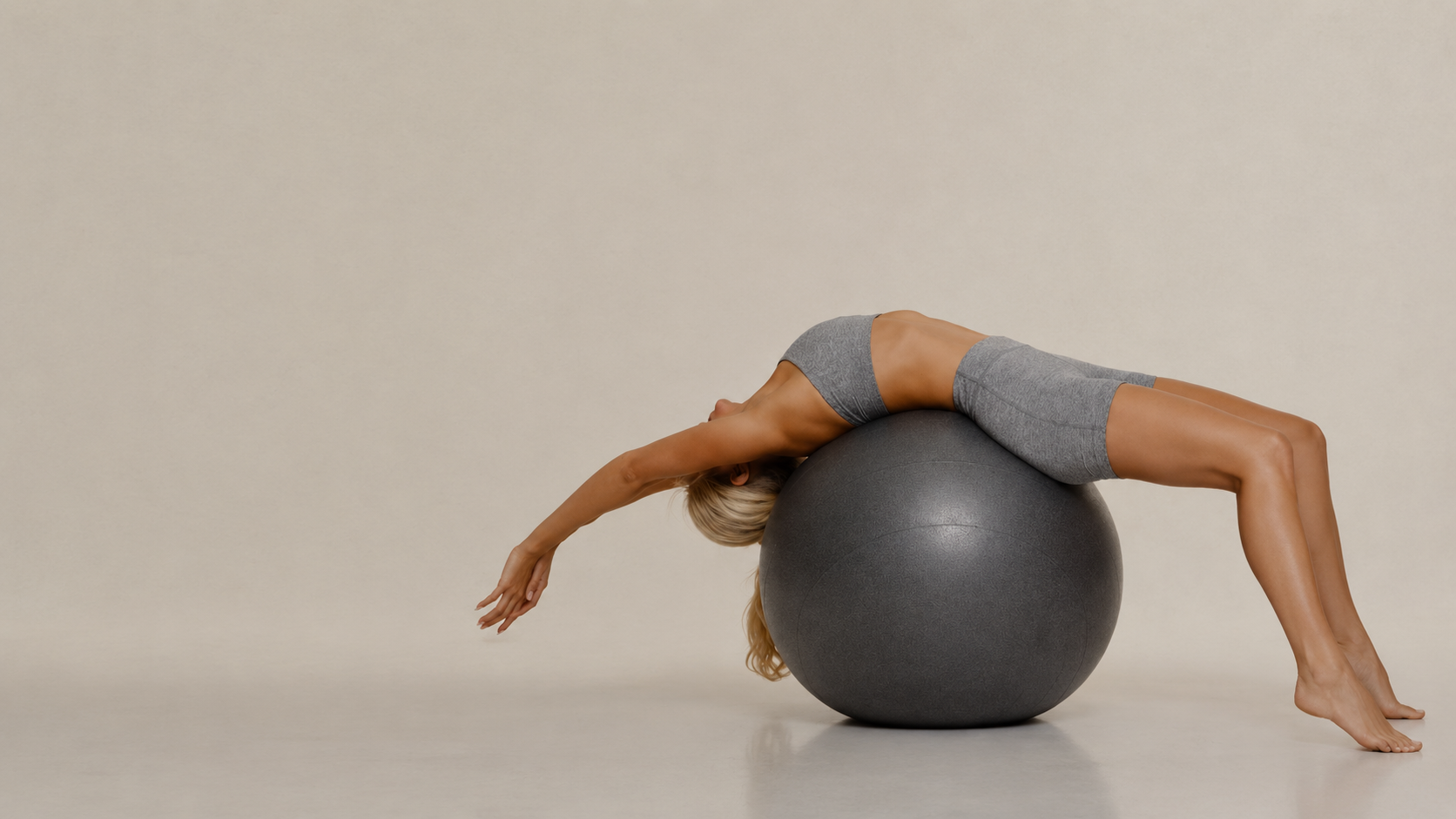
Feeling sore after a workout is completely normal, especially after trying a new routine, increasing intensity, or using muscles you do not usually activate. While some soreness can be part of the training process, the right recovery habits can help your body feel better, move better, and stay consistent.
Here are six simple ways to support your body after exercise.
1. Prioritize Rest
Rest is one of the most important parts of any fitness routine. During workouts, your muscles are challenged. During rest, your body has time to repair, reset, and adapt.
This does not always mean doing nothing. Light walking, gentle movement, or a low-intensity recovery day can help you stay active without overloading your body. The key is to listen to how your body feels and avoid pushing through extreme soreness or fatigue.
2. Stay Hydrated
Hydration plays an important role in muscle function, circulation, and overall recovery. When you sweat, your body loses fluids and electrolytes, which can leave you feeling tired, tight, or sluggish after exercise.
Make hydration part of your routine before, during, and after workouts. For longer or more intense sessions, you may also want to include electrolytes to help replenish what your body loses through sweat.
3. Refuel with Protein
Protein helps support muscle repair after exercise. After a workout, your body benefits from nutrients that help rebuild and maintain lean muscle.
Good post-workout protein options include eggs, Greek yogurt, chicken, tofu, protein smoothies, fish, beans, or a balanced meal with both protein and carbohydrates. The goal is not perfection — it is giving your body the fuel it needs to recover well.
4. Add Gentle Stretching
Stretching after a workout can help your body cool down and release tension. Focus on slow, controlled stretches rather than forcing deep positions.
Target the areas you trained that day, such as calves, hamstrings, quads, glutes, shoulders, or back. Even five to ten minutes of stretching can help you feel more mobile and relaxed after movement.
5. Use Massage to Release Tension
Massage is a simple way to help your body feel looser after a workout. You can use your hands, a foam roller, or a massage tool to gently work through areas that feel tight.
Focus on slow pressure and controlled movement. Massage should feel relieving, not painful. This can be especially helpful after leg days, long walks, runs, hikes, or strength training sessions.
6. Complete Your Routine with DermaFIT Creams
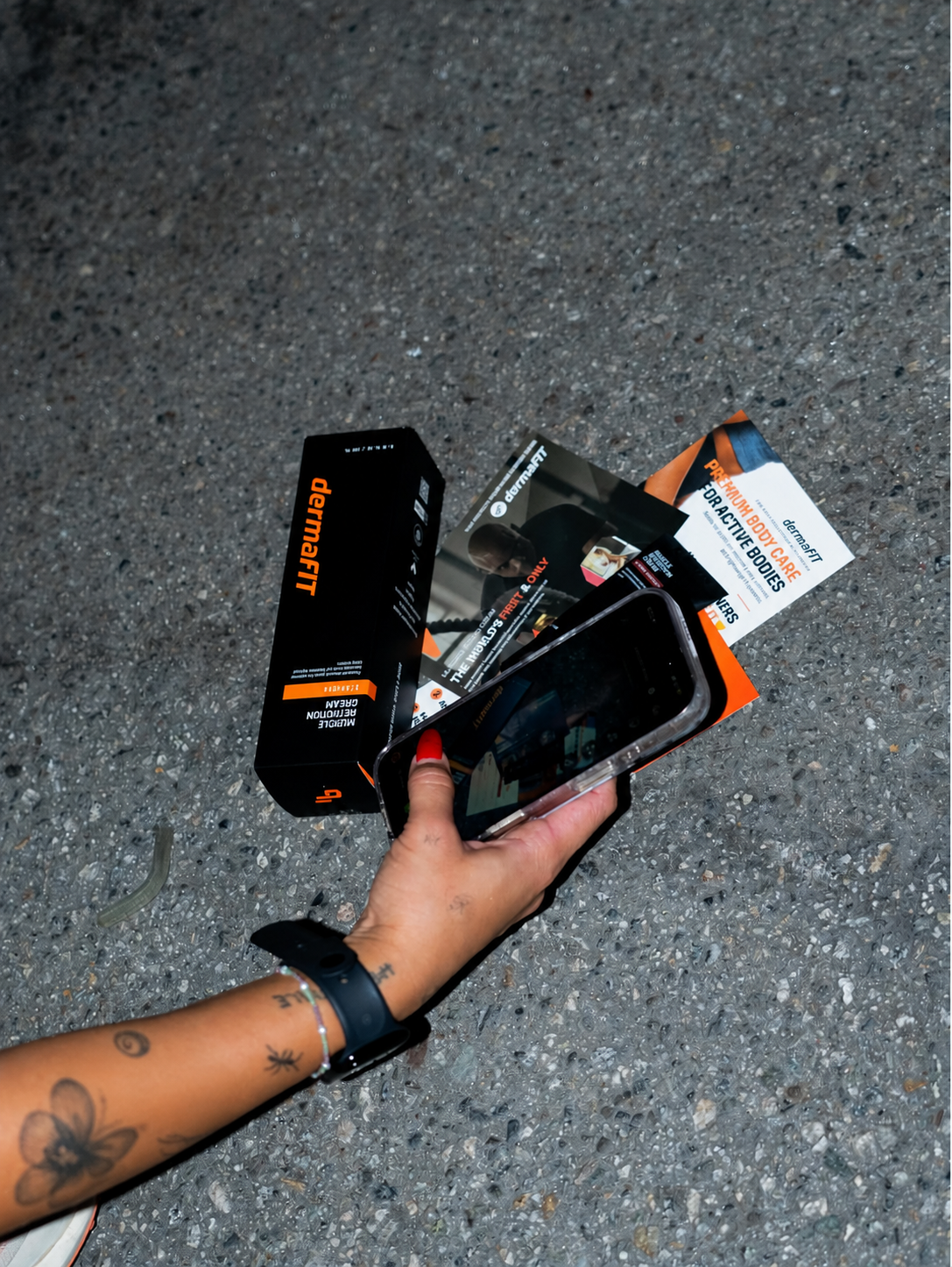
DermaFIT Creams are designed to fit into your post-workout body care ritual. After exercise, apply DermaFIT to areas like calves, thighs, arms, shoulders, or lower body, then massage it in as part of your recovery routine.
The massage step helps you slow down, reconnect with your body, and care for muscles that worked hard. Whether you are coming back from the gym, a long walk, a hike, or a busy active day, DermaFIT makes recovery feel like a simple, intentional ritual.
Final Thoughts
Post-workout soreness does not have to interrupt your routine. With rest, hydration, protein, stretching, massage, and DermaFIT Creams, you can build a recovery routine that supports consistency and helps your body feel ready for the next move.
Your workout matters — but your recovery is what helps you keep going.

Share:
Summer Strength: Support Your Active Summer
For the Dads Who Keep Moving