


Turning 30 doesn’t mean losing strength.
But it does mean your body starts responding differently to stress, recovery, and muscle repair.
Muscle longevity isn’t about building more—it’s about maintaining what you’ve earned.
And the habits you build now determine how strong you’ll feel in your 40s, 50s, and beyond.
Here’s what actually changes after 30—and how to protect your strength long-term.
What Happens to Your Muscles After 30?
Starting in your early 30s, the body gradually begins to:
-
Reduce muscle protein synthesis
-
Recover more slowly after intense workouts
-
Experience increased inflammation
-
Lose small amounts of lean muscle mass over time
This process—often called age-related muscle decline—doesn’t happen overnight.
But without intentional recovery and support, small changes accumulate.
The result?
You may notice more stiffness, longer soreness, or reduced explosive strength.
Muscle Longevity Is About Recovery, Not Just Training
In your 20s, you could often “train through” soreness.
After 30, recovery becomes the real performance tool.
Strength maintenance depends on:
-
Consistent resistance training
-
Adequate protein intake
-
Quality sleep
-
Stress management
-
Circulation support
-
Inflammation control
Muscle longevity isn’t about pushing harder.
It’s about repairing smarter.
The Role of Inflammation in Muscle Aging
Low-grade chronic inflammation plays a significant role in muscle decline.
Daily stress, lack of sleep, long sitting hours, and intense training without recovery can all contribute to:
-
Persistent tightness
-
Reduced mobility
-
Slower muscle repair
-
Increased injury risk
Managing inflammation is one of the most underrated strategies for maintaining strength long-term.
Circulation: The Overlooked Factor in Strength Maintenance
Healthy circulation delivers oxygen and nutrients to muscle tissue.
As we age, circulation efficiency can decrease—affecting muscle recovery and elasticity.
Supporting blood flow helps:
-
Reduce muscle fatigue
-
Improve recovery time
-
Maintain flexibility
-
Preserve muscle quality
Longevity isn’t just about muscle size. It’s about muscle function.
Daily Muscle Care: The Missing Layer
Most people focus on workouts and nutrition—but neglect daily muscle care.
Just like skincare evolved beyond cleansing, muscle wellness now goes beyond stretching and foam rolling.
Daily muscle support can help:
-
Calm inflammation
-
Relieve accumulated tension
-
Support circulation
-
Maintain tissue resilience
This is where muscle-focused body care becomes relevant.
How dermaFIT Supports Muscle Longevity
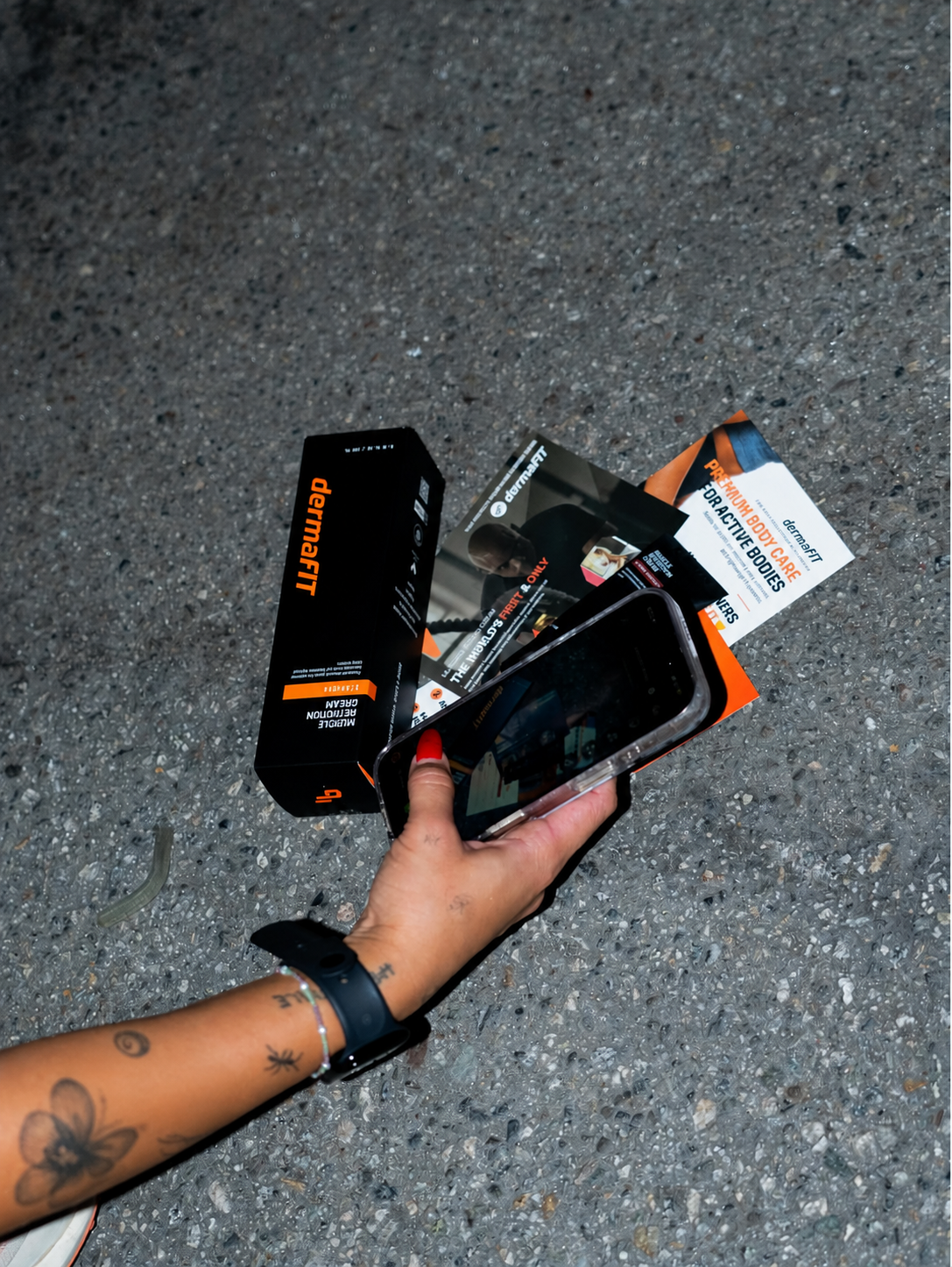
dermaFIT was designed with muscle longevity in mind.
Our muscle retention creams are formulated to work beyond surface hydration and support deeper tissue where tension and micro-fatigue build up.
Each formula focuses on:
-
Deep absorption to reach beyond the skin layer
-
Anti-inflammatory ingredients to soothe stressed muscles
-
Circulation-supporting components for daily recovery
-
Exosome-inspired technology that supports cellular communication
By integrating daily muscle care into your routine, you create a consistent recovery environment—essential for long-term strength maintenance.
Strength in Your 30s Is Built on Daily Decisions
You don’t lose strength because you age.
You lose strength because recovery slows and stress accumulates.
Muscle longevity is a lifestyle built on:
-
Smart training
-
Intentional recovery
-
Inflammation management
-
Consistent daily care
When you support your muscles every day—not just after workouts—you extend the life of your strength.
Conclusion
Your 30s aren’t the beginning of decline.
They’re the beginning of intentional longevity.
Protect your strength.
Support your recovery.
Invest in daily muscle care that goes deeper.
dermaFIT is built for strength that lasts—because longevity starts now.

Share:
When Does Muscle Loss Start? (And Why Most Women Don’t Realize It)
Run with Purpose: Honoring Samiljeol Through Movement, Strength, and Community